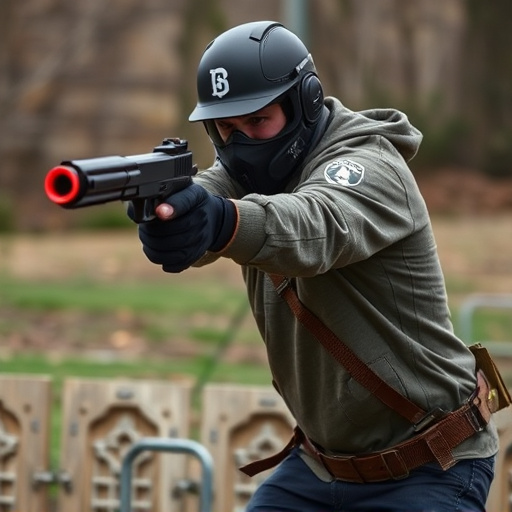
Stun guns' effectiveness and range depend on electrical specifications, with power sources varying between rechargeable lithium-ion batteries and non-rechargeables like alkaline or lithium. Voltage and amperage ratings control shock intensity. Although often misunderstood to have a longer range, stun guns actually have a limited reach of 2–3 meters, delivering high-voltage, low-current pulses to temporarily disable targets, differing from firearms that launch physical projectiles over long distances.
“Explore the powerful yet often misunderstood realm of stun weapon projectile range. This article delves into the intricate details behind these devices, starting with a close look at the stun gun electrical specifications and their power sources. We then separate fact from fiction regarding projectile range limitations, providing you with accurate insights based on scientific evidence. Understand the true capabilities of stun weapons to make informed decisions.”
- Stun Gun Electrical Specifications: Unveiling Power Sources
- Projectile Range Limitations: Fact vs Fiction Debunked
Stun Gun Electrical Specifications: Unveiling Power Sources

Stun guns, also known as electronic control devices (ECDs), operate on a simple yet powerful principle: delivering an electric shock to incapacitate a target. The heart of these weapons lies in their stun gun electrical specifications, which determine their effectiveness and range. Power sources vary across models, with two primary types dominating the market: rechargeable lithium-ion batteries and non-rechargeable batteries like alkaline or lithium.
Rechargeable options offer advantages such as cost savings over time and environmental friendliness due to reduced battery disposal. Advanced stun guns may feature smart charging systems that optimize battery life. In contrast, disposable batteries provide instant power at the expense of recurring costs. Stun gun electrical specifications also include voltage and amperage ratings, which directly influence the intensity of the shock delivered. Higher voltages and amperages generally result in stronger jolts, increasing the weapon’s effectiveness within its specified range.
Projectile Range Limitations: Fact vs Fiction Debunked

Many myths and misconceptions surround stun weapon projectile range capabilities, often exaggerating their effectiveness beyond reality. It’s crucial to separate fact from fiction when assessing stun gun electrical specifications. Stun guns, also known as electroshock weapons, use high-voltage, low-current electric pulses to temporarily disable or stun a target. While powerful, their range is significantly limited compared to popular belief.
The typical stun gun can deliver an effective shock within a range of 2–3 meters (6–10 feet). Beyond this distance, the electrical current weakens, reducing the likelihood of achieving a stun effect. Unlike firearms with projectiles that can travel hundreds of meters, stun guns do not launch physical objects but rather rely on electric pulses to create their impact. This distinction underscores the difference in range and functionality between stun weapons and traditional projectile-based arms.
In examining the stun weapon projectile range capabilities, it’s clear that while popular myth often exaggerates the effective distance, reality is more nuanced. Understanding the stun gun’s electrical specifications is key to dispelling myths and recognizing its practical applications. By knowing the actual range and power sources, users can make informed decisions about their personal safety and the role stun weapons play in today’s world.