
Stun guns, using high-voltage low-amperage (HVLC) electricity, temporarily disable targets without lethal harm. Their effectiveness depends on voltage, current, pulse width, and charge delivery mechanisms, with adjustable settings for personalized impact within a typical 2-15 meter range. Misconceptions surround their range and instant incapacitation; factors like user training, weapon electrical specifications, distance, weather, and body type affect performance. Stun guns are regulated by local laws dictating voltage, current, and energy levels, limiting their effective range. Safe use requires proper training, damage inspection, secure storage, aiming for legs or groin, regular service, and adhering to legal restrictions.
“Stun weapons, with their ability to temporarily incapacitate targets, have sparked curiosity and debates. This article explores the advanced technology behind these devices, focusing on their key components and electrical specifications, particularly in relation to projectile range capabilities. We delve into the factors influencing range, dispel common misconceptions, examine legal limitations, and emphasize safety precautions for responsible use. Understanding stun weapon technology involves grasping intricate electrical specifications, making this guide an essential resource for informed decisions.”
- Understanding Stun Weapon Technology: A Brief Overview
- Key Components and Electrical Specifications of Stun Guns
- Factors Influencing Projectile Range: A Deep Dive
- Common Misconceptions About Stun Weapon Range
- Legal Considerations and Limitations for Stun Gun Range
- Safety Precautions and Best Practices for Stun Weapon Use
Understanding Stun Weapon Technology: A Brief Overview
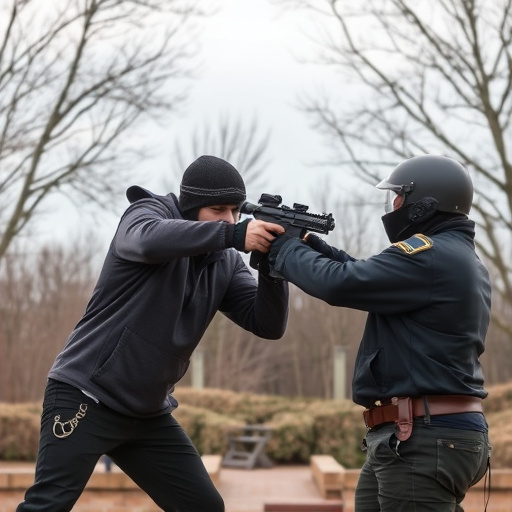
Stun weapon technology leverages electrical current to incapacitate targets, providing a non-lethal alternative to traditional firearms. At their core, stun guns—also known as tactical electroshock weapons—emit high-voltage, low-amperage electrical discharges. These pulses disrupt muscle control in the target’s body, leading to temporary paralysis and disorientation. The effectiveness of a stun weapon is heavily influenced by its electrical specifications, such as voltage output, current level, pulse width, and charge delivery mechanism.
Modern stun guns often incorporate advanced features like adjustable output settings, allowing users to tailor the impact to specific situations and target sizes. The range of these devices varies; typically, a stun gun’s effective reach can span from 2 to 15 meters (6 to 49 feet), though specialized models designed for longer-range applications exist. This versatility makes stun weapons popular among law enforcement agencies, security personnel, and individuals seeking personal protection in diverse environments.
Key Components and Electrical Specifications of Stun Guns
Stun guns, also known as electric pulse guns, operate on a simple principle: delivering a powerful electric shock to incapacitate a target. The key components of a stun gun include the power source, electrical circuitry, and the projectile mechanism. In terms of stun gun electrical specifications, these devices typically use high-voltage, low-current (HVLC) electricity to cause muscle contractions and temporary paralysis without causing significant harm.
The power source usually consists of one or more rechargeable batteries, which provide the necessary energy for the stun gun’s operation. Electrical circuitry controls the flow of current from the battery to the electrodes, typically located on the weapon’s tips. When triggered, this electrical pulse is transmitted through the projectile, which can be in the form of a dart, rod, or even a small bean. The range and effectiveness of the stun are directly linked to the voltage, current, and pulse width of the electrical specifications.
Factors Influencing Projectile Range: A Deep Dive
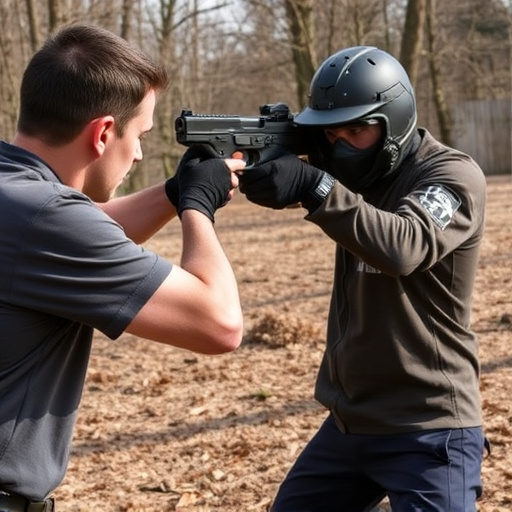
The range at which a stun weapon can effectively disable a target depends on several factors, including the device’s electrical specifications and environmental conditions. Stun guns, or electroshock weapons, deliver high-voltage, low-current electric shocks designed to temporarily incapacitate an individual. The power output, measured in watts, plays a significant role; higher wattage generally translates to greater range. However, this isn’t the sole determinant; the projectile’s design, velocity, and weight also influence its trajectory and penetration capability.
Other considerations include atmospheric conditions such as wind speed and humidity, which can affect the flight of the projectile. Obstructions like buildings or trees can significantly reduce the effective range, while open spaces allow for maximum distance. Additionally, the target’s size, posture, and body composition may alter the shock’s impact, potentially requiring adjustments in firing angle and power setting to ensure optimal effectiveness within the desired range.
Common Misconceptions About Stun Weapon Range
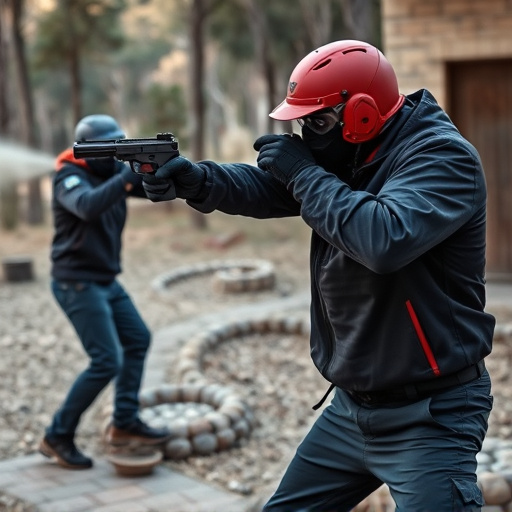
Many people hold misconceptions about the range and effectiveness of stun weapons, often referred to as stun guns or electroshock weapons. A common misunderstanding is that the range of a stun gun is significantly greater than it actually is. While some models can deliver a powerful shock from a considerable distance, it’s essential to understand that these weapons are not designed for long-range combat. The average stun gun user should expect a range of around 5 to 10 feet (1.5 to 3 meters), with the most powerful models extending up to 20 feet (6 meters).
Another misconception is that stun guns can knock out or incapacitate targets instantly. In reality, the effectiveness depends on various factors, including the user’s training, the weapon’s electrical specifications, and the target’s physical condition. Stun weapons deliver a high-voltage, low-current electric shock, which disrupts muscle control in the target, causing temporary paralysis and disorientation. However, factors like distance, weather conditions, and the target’s body type can influence how well the weapon performs as per its specifications.
Legal Considerations and Limitations for Stun Gun Range
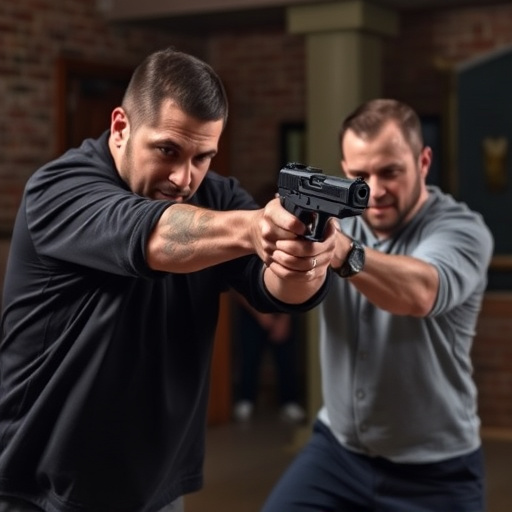
Stun guns, also known as electroshock weapons, operate by delivering a powerful electric current to incapacitate a target. However, their range and effectiveness are significantly influenced by legal considerations and limitations. Each jurisdiction has its own set of regulations governing stun gun ownership, carry, and use, which directly impact the practical range of these devices.
The legal specifications for stun guns often dictate the voltage, current, and energy levels allowed, effectively limiting the maximum safe operating distance. These restrictions are in place to ensure public safety and minimize the risk of harm or wrongful use. Users must understand these laws to avoid legal repercussions and make informed decisions when purchasing or employing stun weapons based on their local regulations.
Safety Precautions and Best Practices for Stun Weapon Use
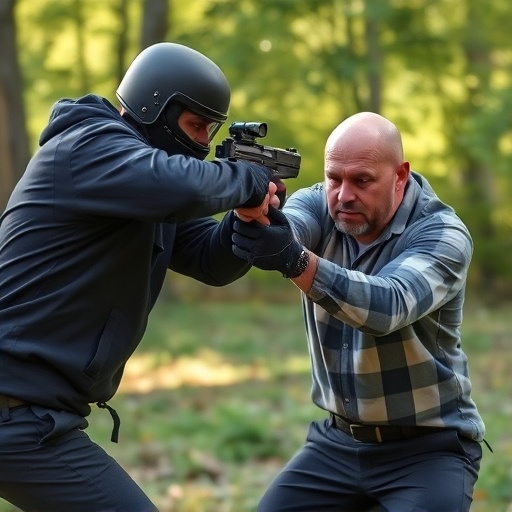
When utilizing a stun weapon, safety should always be the top priority. These devices operate on high voltage, delivering powerful electric currents that can cause temporary incapacitation. Therefore, it’s crucial to understand and adhere to best practices. Always inspect your stun gun for any signs of damage or wear before each use; defective units pose significant risks. Keep your stun weapon out of reach of children and unauthorized individuals, storing it securely in a locked case when not in use. Ensure proper training on its safe handling; never point the device at anyone unless intending to activate it as a last resort for self-defense.
Best practices also encompass understanding the stun gun’s electrical specifications, such as voltage, current, and pulse width. These factors determine the weapon’s effectiveness and potential side effects. Always aim low, aiming for the legs or groin area to minimize risk of permanent damage while maximizing the stun effect. Remember, a stun weapon is designed to disable an attacker temporarily; it should only be used when facing an imminent threat to personal safety. Regularly service and test your device as per manufacturer recommendations to ensure optimal performance and reliability in critical situations.
Stun weapon technology has evolved significantly, but understanding their projectile range capabilities is crucial. This article has provided a comprehensive overview of the key components and electrical specifications of stun guns, factors influencing range, common misconceptions, legal limitations, and safety precautions. By delving into these aspects, users can navigate the landscape of stun weapon use more effectively, ensuring both safety and adherence to legal guidelines. Remember that proper knowledge and responsible handling are essential for maximizing the benefits of stun gun technology while mitigating potential risks.